The Real Japan Travel Guide: From Booking Your Flight to Bringing Home the Right Souvenir
Complete Japan travel guide for US travelers: flight booking, hotel costs, transport, etiquette, and souvenirs. Real prices, regional advice, and what actually matters.

 Search flights
 Let me tell you about the moment I realized I'd overthought my first trip to Japan. There I was, three weeks into planning, with seventeen browser tabs open and a spreadsheet that looked like I was preparing for a military operation. My partner walked by, glanced at the screen, and said, "You know people just... go there, right?" She wasn't wrong. But she also wasn't entirely right.
 Japan rewards preparation. It also punishes overplanning in its own quiet, orderly way. After years of helping friends and readers navigate the journey from a US departure gate to a Tokyo souvenir shop, I've learned what actually matters and what you can safely let go of. So let's walk through it like you're sitting across from me at a coffee shop, trying to figure out where to even start.
The core of traveling Japan well isn't about hitting every Instagram spot. It's about understanding the rhythm of the place, when to book, how to move, what to buy, and what to leave behind. You can do it without speaking Japanese, without a massive budget, and without losing your mind. Let me show you how.
What's the real cost of a Japan trip from the US in 2026? Here's the honest answer: a one-week trip from the US will typically run you $1,800 to $3,200 per person for flights, accommodations, food, and local transport. That's the backpacker-to-comfortable range. If you're looking for luxury experiences, ryokan stays with private onsens, kaiseki dinners, first-class train seats, budget closer to $4,500-$6,000 for the same week.
The variables matter more than the baseline. West Coast departures are cheaper by a few hundred dollars; East Coast flights add time and cost. The real budget killer? Trying to do too much. Every time you take the Shinkansen between cities, you're adding $80-$120 per person per leg. A seven-day trip with two city transfers is reasonable. Four transfers, and your transport costs start to rival your flight.
When should I book my flight to get the best price? Three to six months out is the sweet spot. Set a price alert on a comparison site, and watch for fares under $800 from the West Coast. From the Midwest or East Coast, under $1,100 is worth grabbing. January and February are genuinely cheaper. I'm talking flights in the $350-$500 range, accommodations half what they'd cost in April. The trade-off is real: it's cold. Snow in Kyoto looks like a postcard, but your feet will be cold while you're looking at it. If you're set on cherry blossoms, expect to pay full price and book far in advance. That's just how it works. One thing nobody tells you: layover cities matter. Flights through Istanbul or Doha can save you $150-$250. It adds hours, but if budget is your priority, it's a fair swap.
Where should I stay, and how do I choose? The biggest mistake I see is people picking a hotel based on price alone. You can save forty dollars a night staying a twenty-minute walk from a station. Then you spend forty dollars and an hour of your day on taxis or extra walking. Just book near a train station. That's my first rule.
 Hostels: $15-$25 per night. Good for solo travelers, actually nicer than you'd expect. Capsule hotels: $20-$35. Worth one night for the experience; I wouldn't do a full week. Ryokans: $35-$60 at the budget end, $150+ for the full traditional experience with meals. Business hotels: $50-$100. Clean, compact, everything you need and nothing you don't. This is the sweet spot for most US travelers.
Neighborhoods matter more than you think. In Tokyo, Shibuya is buzzing and convenient, hostels there run $17-$26. Asakusa is quieter and more traditional at $16-$24. Kyoto's Gion district is beautiful and expensive; stay in the central city or near Kyoto Station and you'll save without losing access.
Hostels: $15-$25 per night. Good for solo travelers, actually nicer than you'd expect. Capsule hotels: $20-$35. Worth one night for the experience; I wouldn't do a full week. Ryokans: $35-$60 at the budget end, $150+ for the full traditional experience with meals. Business hotels: $50-$100. Clean, compact, everything you need and nothing you don't. This is the sweet spot for most US travelers.
Neighborhoods matter more than you think. In Tokyo, Shibuya is buzzing and convenient, hostels there run $17-$26. Asakusa is quieter and more traditional at $16-$24. Kyoto's Gion district is beautiful and expensive; stay in the central city or near Kyoto Station and you'll save without losing access.
Getting around: the transport question everyone gets wrong The rail pass. You've heard about it. Here's the thing: the Japan Rail Pass used to be a no-brainer. Pricing changes in recent years have made it more situational. Calculate your Shinkansen trips. Tokyo to Kyoto is about ¥14,000 ($90-$95) one way. Kyoto to Osaka is cheap. If you're doing a round trip between Tokyo and Kyoto plus one more major leg, the pass might make sense. If you're staying in one city, it almost certainly doesn't. What actually works better: get an IC card, Suica, Pasmo, or ICOCA. These are rechargeable transit cards that work on trains, subways, buses, and at convenience stores. It's tap-and-go, and it saves you from standing at ticket machines while a line forms behind you. Japan's rail network is famous for punctuality. The average Shinkansen delay across all lines in 2024 was under 60 seconds. You read that right, average delay, less than a minute. When your train says it leaves at 10:03, it leaves at 10:03.

The etiquette things nobody warns you about You don't need to master Japanese manners. You just need to avoid the obvious mistakes. Don't tip. Japan doesn't do it. It's not offensive, it's just confusing and they'll chase you to return it. No phone calls on trains. It's fine to check your phone. Just don't talk about it. Cash is still king. Cards are accepted at hotels, department stores, and chain restaurants. Small shops, temples, and rural cafes? Cash. Always carry ¥10,000 ($65-$70) as backup. Use 7-Eleven ATMs, they reliably accept international cards. Tattoos: some onsens and gyms restrict them, though this is slowly changing. If you have visible tattoos and want to visit a traditional bath, look for tattoo-friendly spots in advance.
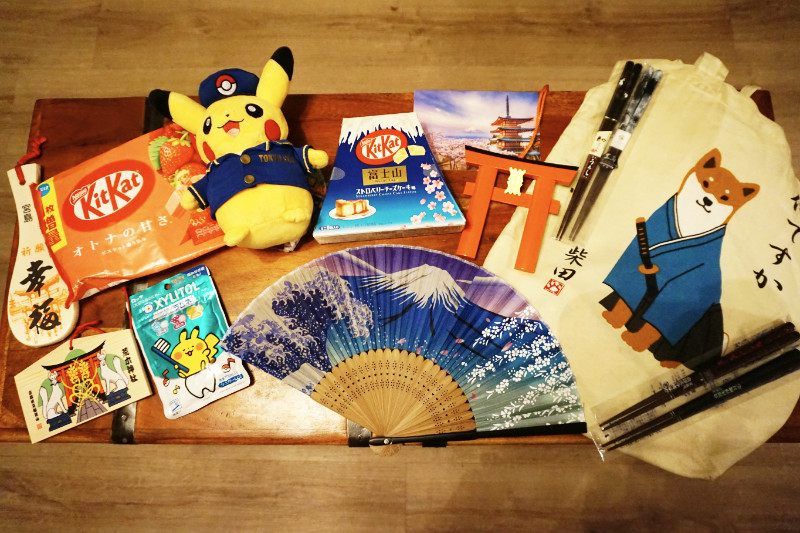
What to pack (and what to leave at home) Comfortable walking shoes. This is not negotiable. You will walk more in one day in Tokyo than you do in a week at home. Good shoes, broken in before you leave. Bring a small packable umbrella or buy one at a convenience store when it rains. That same store will sell you everything else you forgot. A portable charger is genuinely useful. You'll use your phone for navigation constantly. The one thing I regret packing: too many outfits. Laundry services are cheap everywhere. Pack for five days and wash once. You'll have room for what actually matters, souvenirs. The souvenir question: what's worth bringing back? This is the question every traveler asks themselves in the airport shop: "Is this just going to sit in a drawer?" The good souvenirs tell a story, and they don't have to be expensive. Regional snacks: Tokyo Banana, Royce chocolate (the nama chocolate is a revelation), and bizarre KitKat flavors are crowd-pleasers. Furoshiki: these traditional wrapping cloths are beautiful and practical. You can find them at 100-yen shops or department stores. Vintage kimonos: flea markets and secondhand shops in Tokyo sell them for ¥2,000-¥5,000 ($12-$29). They're one-of-a-kind and far more interesting than a mass-produced souvenir. Omamori: these are the small amulets sold at temples and shrines. You give a small donation (¥300-¥1,000) and receive a blessing for health, success, or protection. They're simple, meaningful, and easy to pack. Skip the mass-produced keychains and the "I love Japan" shirts. They feel like a souvenir of a place you didn't really visit.
The journey home: what about customs? Japan is strict about what you bring in. You're fine with normal souvenirs. Just don't bring fresh fruit, meat products, or large quantities of anything that looks commercial. On the way back to the US, remember that liquids and gels in your carry-on still follow the 3-1-1 rule. If you buy sake, matcha, or that fancy skincare serum in Duty Free, it can go in your carry-on if it's in a sealed security bag. Otherwise, check it. Is the trip actually worth it? Yes. I've sat through enough client consultations and listened to enough "what if" questions to know that the people who hesitate the most often have the best trips. They plan smart and leave room for the unexpected. You'll walk through Asakusa at sunset or eat ramen at 11 PM in a tiny Osaka shop and realize the spreadsheets were worth it. Not because you planned everything, but because you prepared enough to be present for the moments that couldn't be planned. That's the real Japanese guide: plan the logistics, book the flight, understand the transport, and leave space for what you can't predict.
FAQs
How far in advance should I book flights and hotels for Japan? Three to six months is the ideal window for flights. Hotels can often be booked 2-3 months ahead, but popular ryokans and cherry blossom season spots can sell out six months in advance.
Do I need cash or can I use credit cards? You need both. Credit cards are widely accepted in cities, but small shops, temples, and rural areas are cash-only. Always carry at least ¥10,000 in cash and withdraw more from Seven-Eleven ATMs when needed.
Is Japan safe for solo travelers and families? Yes. Japan is one of the safest countries in the world for travelers. Violent crime is extremely rare, public transport is reliable, and lost items are often returned to you intact.
Do I need to speak Japanese to get around? No. Signs and transport information are widely available in English. Menus at tourist-oriented restaurants often have pictures. A few basic phrases help, but they aren't required.

Covers the destinations, gear and deals worth your inbox for The Nerdy Nomads. Reader-supported via affiliate links.
One email. Five finds. Every Sunday, wherever you've landed.


Guides, deals and visa alerts — free, weekly, unsubscribable in one tap.