Hidden Gems in Japan: A Journey Beyond the Golden Route
Escape Tokyo and Kyoto crowds. Discover Japan's hidden gems, from Nagato's fugu to Yamagata's ryokan, with real costs, routes, and seasonal advice.

 Search flights
 Here's the thing about Japan: most visitors never really see it. They see Tokyo's neon canyons, Kyoto's golden pavilions, and Osaka's glowing food signs. They return home with photos that look exactly like everyone else's.
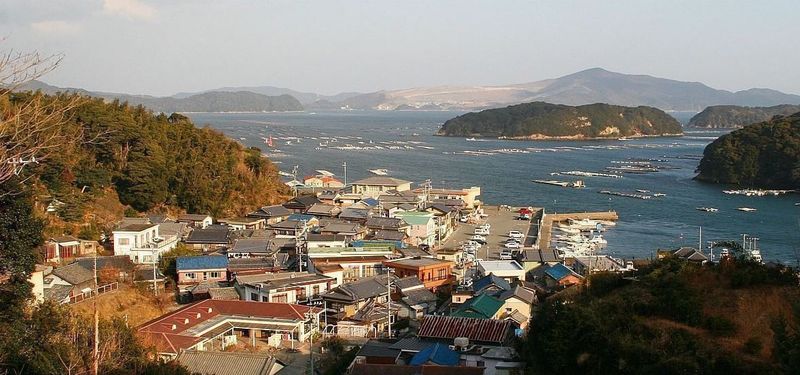
I sat in a yakitori restaurant in Nagato, a coastal town on the northern edge of Yamaguchi Prefecture, watching 73-year-old Ofuka-san bow with theatrical delight when I walked in. "Indo! Land of Gandhi!" he beamed. He'd never hosted an Indian traveler before. That moment sums up what traveling Japan can actually mean, not ticking boxes, but stumbling into places where you're a novelty, not a number.
Forget the typical travel guide. The real Japanese guide you need points away from the crowds.

What qualifies as a hidden gem in Japan anyway? Statistically, it's a place that sees a fraction of the tourists that flood the Big Three. Nagato welcomed only 13,000 international visitors last year, compared with Japan's 36.6 million arrivals overall. That means you can walk through 123 brilliant red torii gates at Motonosumi Shrine without being jostled. You can stand on a cliff, chuck coins at an offering box, and actually hear the sea. No selfie sticks blocking your view. This isn't about being a travel snob. It's about seeing a country that's quietly buckling under its own success. Japan estimates inbound tourism might double by 2030. The crowds at Fushimi Inari in Kyoto aren't a phase, they're a forecast.
Where to go instead The real onsens (not the Instagram ones) Ginzan Onsen in Yamagata Prefecture looks like a fairy tale, wooden ryokan lining a river, gas lamps flickering at dusk. It's stunning. And because roughly one percent of Japan's 37 million visitors make it to Yamagata, it's still peaceful. Stay at Takimikan, a modern ryokan where you get actual beds instead of futons (your lower back will thank you) paired with open-air hot spring baths and multi-course dinners featuring local produce. The experience isn't just soaking. It's the ritual. The quiet. The Japanese hospitality that's thoughtful without being fussy.
Where to actually encounter history (without the tour buses) Head to Wakayama Prefecture's Kii-fudoki-no-oka, an outdoor museum most Japanese locals don't even know exists. Over 900 ancient tombs dot the hills, dating back to the 5th through 7th centuries, and you can step inside the stone chambers of the larger ones. Admission to the outdoor park is effectively free; entry to the museum costs around 190 yen for adults. Walk past relocated thatched-roof farmhouses from the Edo period, and you'll feel like you've time-traveled into a period drama.
For something more spiritual, take the train an hour north of Kyoto to Kurama. The mountain village feels like a Studio Ghibli setting. Skip the cable car. Walk the one-hour trail instead, past vermillion lanterns, moss-covered stone steps, and small Shinto shrines. At the summit, Kurama-dera Temple has stood since the 8th century, offering panoramic views across forested mountains.
The culinary detours worth taking Fugu in Nagato. Japan's infamous pufferfish, prepared by certified chefs. At Kiraku, I had fugu five ways, sashimi sliced translucent-thin, fried karaage that's crispy and addictive, for 3,500 yen. The executive chef had worked at The Ritz-Carlton in Tokyo before returning to run the family business. That mattered when eating something that can technically kill you.
Sake in Yamagata. In 2016, Yamagata became the first Japanese prefecture to receive a geographical indication for its sake, think Champagne for bubbly. The combination of locally grown rice and snowmelt from long winters creates something special. At the Yamagata Sake Museum in Zao Onsen (not actually a museum, but a bar), you can sample from close to 50 breweries.

Yonezawa beef. One of Japan's top wagyu brands. Tokiwa in Yonezawa has served it since 1894, steak, shabu-shabu, sukiyaki, run by the same family for five generations.
Luxury? It's different here
Luxury in Japan's hidden gems isn't about five-star hotels with infinity pools. It's about staying in a ryokan that's 300 years old, like Daishinbo at the foot of Dewa Sanzan, run by a yamabushi family that's welcomed pilgrims for centuries. It's about waking at dawn in Hokkaido to ride a gondola to UNKAI Terrace, watching a sea of clouds stretch beneath you from suspended viewing decks.
This kind of luxury is specific. It's location-driven. A mountain-view room at Hoshino Resorts TOMAMU in Hokkaido, with large windows opening onto a hundred hectares of forest, beats any city penthouse. That's the destination.
The practical stuff Getting there: The Yamagata Shinkansen runs from Tokyo to Yonezawa, Yamagata city, and Shinjo. The JR East Pass for Tohoku gives five days of unlimited travel across the entire Tohoku region. Nagato is a 40-minute bullet train ride from Fukuoka's Hakata Station. When to go: Spring and fall have clear skies and mild temperatures. Cherry blossoms at Kajo Park in April. Fiery foliage along the Mogami River in late October. Winter means ski season at Mount Zao, where "snow monsters" (rime-covered trees) look like giant gnarly creatures. At Nishikawa, snow lasts so long you can ski in June.
What to pack: Comfortable sneakers. You'll walk more than you expect. Leave the city outfits behind, this is rural Japan.

The honest tradeoff These places aren't better than Tokyo or Kyoto. They're different. You won't find the same restaurant variety, the same late-night energy, the same shopping. What you'll find is space. Authenticity. A chance to hear cicadas at Yamadera temple, where haiku master Basho wrote one of his most famous poems in the 1600s. It's a trade. I'd make it every time.
FAQS
Are these hidden gem destinations difficult to reach without speaking Japanese? Not particularly. Japan's rail system is efficient and English signage is common at major stations. Rural areas require more patience, buses may run infrequently, but locals are generally helpful. A rental car is the most flexible option for remote spots like Dewa Sanzan.
How much time should I budget for exploring off-the-beaten-path Japan? At least five to seven days for one region. You can't do Yamagata and Nagato in a long weekend. Pick one area. Go deep. The trains connect these places to Tokyo or Osaka within two to three hours, so they work as extended side trips.
What's the typical cost difference between popular cities and hidden gems? Accommodation and meals in rural areas generally run 20 to 40 percent less than major cities, though ryokan with onsen and kaiseki meals can still cost 15,000 to 30,000 yen per person per night. The biggest savings are in not paying city prices for everything else.
When is the worst time to visit these places? Summer. While northern Yamagata and Hokkaido stay cooler than the rest of Japan, August highs still reach 31 to 35°C in Yamagata. Winter in places like Nishikawa brings over 20 feet of snow, beautiful but logistically challenging if you're not prepared.

Covers the destinations, gear and deals worth your inbox for The Nerdy Nomads. Reader-supported via affiliate links.
One email. Five finds. Every Sunday, wherever you've landed.

Guides, deals and visa alerts — free, weekly, unsubscribable in one tap.