Best Cities for Digital Nomads in Thailand: A Complete Thailand Guide
Discover the best cities for digital nomads in Thailand. Compare costs, internet speeds, and lifestyles in Bangkok, Chiang Mai, and the islands.

 Search flights
 Sarah stared at her spreadsheet, comparing the cost of a two-bedroom apartment in Austin with her dwindling freelance retainer. The numbers simply did not work anymore. After three months of debating whether to renew her lease or pack everything into a suitcase, she decided to buy a one-way ticket to Bangkok. She wanted a lifestyle change, but more than that, she needed to lower her overhead without sacrificing her internet speed or daily comfort.
 If you are planning a similar move, finding the right home base requires balancing reliable infrastructure with local charm. The best cities for digital nomads in Thailand offer a mix of robust internet connectivity, affordable monthly rentals, and established remote work communities. While Bangkok provides a high-octane metropolitan lifestyle, Chiang Mai offers a slower pace in the mountains, and islands like Koh Phangan cater to those looking for a coastal workspace.
Choosing the right destination depends entirely on what you need to be productive. A remote worker who spends eight hours a day on video calls has very different infrastructure needs than a blogger who only needs intermittent Wi-Fi.
If you are planning a similar move, finding the right home base requires balancing reliable infrastructure with local charm. The best cities for digital nomads in Thailand offer a mix of robust internet connectivity, affordable monthly rentals, and established remote work communities. While Bangkok provides a high-octane metropolitan lifestyle, Chiang Mai offers a slower pace in the mountains, and islands like Koh Phangan cater to those looking for a coastal workspace.
Choosing the right destination depends entirely on what you need to be productive. A remote worker who spends eight hours a day on video calls has very different infrastructure needs than a blogger who only needs intermittent Wi-Fi.
What Are the Real Costs of Remote Work in Thailand?
Before looking at specific neighborhoods, you need to understand how regional cost variance affects your monthly budget. A common mistake is assuming that prices are uniform across the country. In general, southern islands and central Bangkok carry a premium, while northern cities keep everyday expenses much lower. For example, according to data collected by digital nomad database Nomad List throughout recent years, the average monthly cost of living for a remote worker in Chiang Mai ranges from $950 to $1,400, whereas living comfortably in Bangkok or Phuket typically requires $1,500 to $2,300 per month depending on your lifestyle choices. Your fixed expenses will mostly consist of rent, utilities, food, and workspace fees. Housing: A modern studio condo in a city like Chiang Mai might cost $300 a month, while a similar unit in a trendy Bangkok neighborhood like Thonglor can easily top $700. Internet and Utilities: Most modern condos include high-speed fiber internet, but if you set up your own account, expect to pay around $20 to $30 monthly. Electricity bills can fluctuate wildly based on your air conditioning usage; running a unit 24/7 can add $60 to $100 to your expenses. Co-working Spaces: Daily passes generally cost $10 to $15, while monthly hot-desk memberships range from $120 to $200.
Which Cities Actually Fit Your Work Style?
Every major nomad hub in Thailand has a distinct personality, and a city that works perfectly for a tech founder might drive a creative writer crazy. Here is how the top options stack up against each other. Chiang Mai: The Predictable Classic
 For over a decade, Chiang Mai has been the default capital for remote workers in Southeast Asia. It is easy to see why. The city is highly walkable, filled with hundreds of cafes, and boasts some of the fastest internet speeds in the region.
The main drawback here is seasonal air quality. Between February and April, agricultural burning creates a dense smog layer across northern Thailand, commonly called the smoky season. Most long-term nomads plan their itinerary to leave the north during these months. If you can manage that gap, the community support and low cost of living make it an incredibly easy place to get work done.
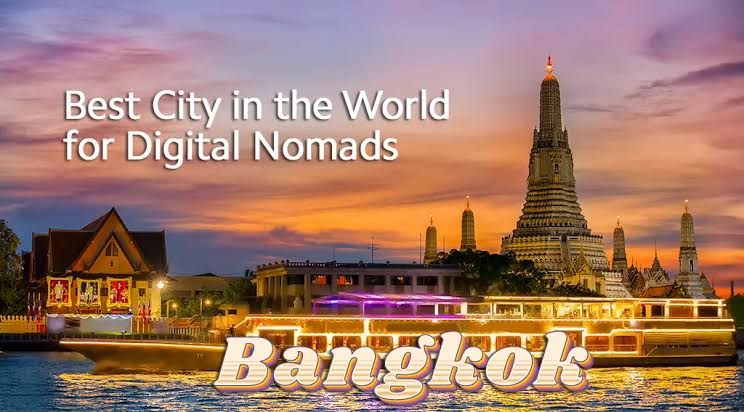
Bangkok: The Big City Grind
Bangkok is a massive, sprawling metropolis that offers every luxury you could find in New York or London, but at a fraction of the price. The city is connected by the BTS Skytrain and MRT subway systems, meaning you can avoid the infamous traffic if you choose your apartment location wisely.
Living here feels less like a temporary trip and more like a permanent relocation to a global financial hub. You will find world-class co-working spaces, massive networking events, and high-end gym facilities. The trade-off is the noise, the sheer volume of people, and the higher price tag for premium accommodation. It is best suited for those who thrive on urban energy and do not mind paying extra for upscale conveniences.
Koh Phangan: The Island Office
If your ideal work break involves walking onto a beach, Koh Phangan has evolved far beyond its reputation as a mere party destination. The island now features robust fiber-optic infrastructure and several dedicated co-working hubs nestled in the jungle or right on the shore.
For over a decade, Chiang Mai has been the default capital for remote workers in Southeast Asia. It is easy to see why. The city is highly walkable, filled with hundreds of cafes, and boasts some of the fastest internet speeds in the region.
The main drawback here is seasonal air quality. Between February and April, agricultural burning creates a dense smog layer across northern Thailand, commonly called the smoky season. Most long-term nomads plan their itinerary to leave the north during these months. If you can manage that gap, the community support and low cost of living make it an incredibly easy place to get work done.
Bangkok: The Big City Grind
Bangkok is a massive, sprawling metropolis that offers every luxury you could find in New York or London, but at a fraction of the price. The city is connected by the BTS Skytrain and MRT subway systems, meaning you can avoid the infamous traffic if you choose your apartment location wisely.
Living here feels less like a temporary trip and more like a permanent relocation to a global financial hub. You will find world-class co-working spaces, massive networking events, and high-end gym facilities. The trade-off is the noise, the sheer volume of people, and the higher price tag for premium accommodation. It is best suited for those who thrive on urban energy and do not mind paying extra for upscale conveniences.
Koh Phangan: The Island Office
If your ideal work break involves walking onto a beach, Koh Phangan has evolved far beyond its reputation as a mere party destination. The island now features robust fiber-optic infrastructure and several dedicated co-working hubs nestled in the jungle or right on the shore.
 Island life does introduce some friction, though. Power outages are more frequent here than on the mainland, so having a cellular data backup plan is mandatory. Scooter rentals are the primary mode of transportation, which brings an inherent safety risk if you are not an experienced rider. It is an ideal spot if you want to balance intensive deep-work sessions with an active outdoor lifestyle.
Navigating the Practical Logistics Before You Land
Moving your life across the world involves more than just packing the right outfits and booking a flight. The logistical reality of working from Thailand requires careful preparation regarding legal status and financial access. First, you must consider your visa options. Most casual remote workers enter on a standard tourist exemption, but the Thai government has introduced specific pathways like the Destination Thailand Visa (DTV) to accommodate long-term digital nomads legally. This visa requires proof of remote employment or a professional portfolio, alongside a minimum financial deposit. Always verify the current entry requirements with an official consulate before planning your journey. Banking is another area where small mistakes cost money. You will want to notify your home banks of your travel plans to avoid fraud alerts blocking your cards. ATM fees in Thailand are notoriously high, usually charging a flat fee of around 220 Baht (roughly $6.50) per withdrawal, regardless of the amount. Pulling out the maximum allowable amount each time reduces how much you waste on transactions.
Making the Final Decision for Your Journey
 Ultimately, your choice of city comes down to what keeps you focused. If you need a strict routine, low expenses, and an immediate community of peers, start in Chiang Mai. If you want the amenities of a major international capital and do not mind the chaos, look at Bangkok. If you want a slower, nature-focused rhythm, look toward the islands.
Many remote workers find that a hybrid approach works best. They spend the winter months enjoying the cooler climate of the north, move to Bangkok when they need to network, and head south to the coast when they want a break from city life. The infrastructure is strong enough throughout the country that you do not have to commit to just one spot forever.
Ultimately, your choice of city comes down to what keeps you focused. If you need a strict routine, low expenses, and an immediate community of peers, start in Chiang Mai. If you want the amenities of a major international capital and do not mind the chaos, look at Bangkok. If you want a slower, nature-focused rhythm, look toward the islands.
Many remote workers find that a hybrid approach works best. They spend the winter months enjoying the cooler climate of the north, move to Bangkok when they need to network, and head south to the coast when they want a break from city life. The infrastructure is strong enough throughout the country that you do not have to commit to just one spot forever.
Digital Nomad Thailand FAQ
Can I legally work as a digital nomad in Thailand? While many remote workers historically utilized tourist visas, Thailand now offers formal options like the Destination Thailand Visa (DTV) specifically designed for digital nomads, freelancers, and remote employees. You must meet specific income and employment verification requirements to qualify.
What is the internet speed like in Thailand? Fixed fiber-optic internet is exceptionally fast and reliable in major hubs like Bangkok and Chiang Mai, regularly exceeding 100 Mbps. Island destinations like Koh Phangan also have strong fiber networks, though they are slightly more prone to occasional weather-related power drops.
How much money do I need monthly to live comfortably in Thailand? A single remote worker can live comfortably in Chiang Mai for $1,000 to $1,400 per month. In Bangkok or the southern islands, a realistic budget ranges from $1,500 to $2,300 per month due to higher housing costs and entertainment expenses.

Covers the destinations, gear and deals worth your inbox for The Nerdy Nomads. Reader-supported via affiliate links.
One email. Five finds. Every Sunday, wherever you've landed.



Guides, deals and visa alerts — free, weekly, unsubscribable in one tap.