25 Best Things to Do in Rome: A Traveler's Guide to the Eternal City
A practical Rome travel guide covering the 25 best things to do, from the Colosseum to hidden neighborhoods, plus tips on timing and tickets.

 Search flights
 If you're planning a trip and want the short answer: the best things to do in Rome mix ancient ruins (Colosseum, Roman Forum, Pantheon), Renaissance art (Vatican Museums, Sistine Chapel, Galleria Borghese), and the kind of unplanned wandering through Trastevere or Testaccio that no itinerary can fully capture. Book timed-entry tickets for the big three at least a few weeks out. Leave at least one afternoon with nothing scheduled. Here's a fuller Rome travel guide, broken into what's worth prioritizing and what you can skip if you're short on time.
The Ancient Sites (Non-Negotiable)
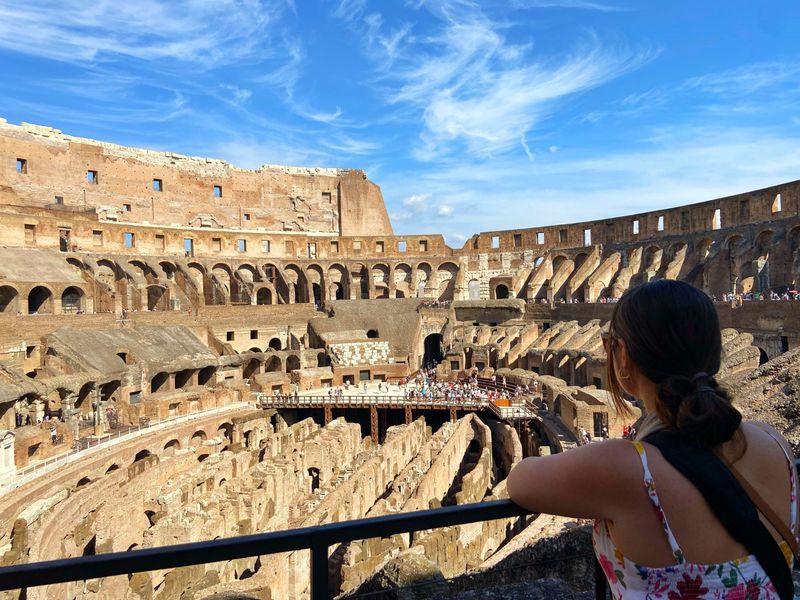
 The Colosseum. Ground level gets you the shell; the arena floor and underground tours (booked separately, usually 20-35 euros extra) get you the parts that make it feel real rather than just photogenic.
The Roman Forum. Combined ticket with the Colosseum. Bring water, there's almost no shade, and July in Rome is brutal.
Palatine Hill. Skipped by most people rushing between the two above. Quieter, and the views over the Circus Maximus are worth the extra twenty minutes.
The Pantheon. Free to enter. The oculus in the dome has been open to the sky for nearly 1,900 years, and it still rains inside during storms, there are drainage holes in the floor for exactly that reason.
Circus Maximus. Mostly a grassy field now, but standing where 150,000 people once watched chariot races puts the scale of ancient Rome in perspective.
Baths of Caracalla. Less crowded than the Forum, genuinely enormous, and a good stop if you've already "done" the main ruins.
The Colosseum. Ground level gets you the shell; the arena floor and underground tours (booked separately, usually 20-35 euros extra) get you the parts that make it feel real rather than just photogenic.
The Roman Forum. Combined ticket with the Colosseum. Bring water, there's almost no shade, and July in Rome is brutal.
Palatine Hill. Skipped by most people rushing between the two above. Quieter, and the views over the Circus Maximus are worth the extra twenty minutes.
The Pantheon. Free to enter. The oculus in the dome has been open to the sky for nearly 1,900 years, and it still rains inside during storms, there are drainage holes in the floor for exactly that reason.
Circus Maximus. Mostly a grassy field now, but standing where 150,000 people once watched chariot races puts the scale of ancient Rome in perspective.
Baths of Caracalla. Less crowded than the Forum, genuinely enormous, and a good stop if you've already "done" the main ruins.
Vatican City
St. Peter's Basilica. Free entry, long lines. Go right at opening (7am) or in the last hour before close. Climbing the dome. Roughly 550 steps, no elevator for the last stretch. Not for anyone with knee problems, but the rooftop view over St. Peter's Square is one of the better ones in the city. Vatican Museums. Buy timed tickets online. The museum is long, plan two to three hours minimum before you even reach the Sistine Chapel. The Sistine Chapel. No photos, no talking above a whisper (enforced loosely). Go early or in the final entry slot to avoid the worst crush. Vatican Gardens. A separate, pre-booked tour. Quiet, manicured, almost nobody mentions it.

Neighbourhoods Worth Getting Lost In
Trastevere. Cobblestone streets, ivy-covered buildings, and the best concentration of trattorias for a low-key dinner. Monti. Rome's original red-light district, now full of vintage shops and wine bars. Feels more local than the historic center. Testaccio. Where Romans actually eat. Skip the tourist-menu restaurants near the Colosseum and come here instead. Jewish Ghetto. Home to carciofi alla giudia (fried artichoke) and some of the oldest continuously inhabited streets in Europe.
Fountains, Piazzas, and Free Wandering
Trevi Fountain. Crowded at nearly any hour, but early morning (before 8am) gets you something close to a real photo. Piazza Navona. Bernini's Fountain of the Four Rivers sits at the center; street artists and gelato stands line the edges. Spanish Steps. Sitting on the steps is now technically restricted and fined in some areas, check current rules before you plan a picnic here. Piazza del Popolo. Less crowded than Navona, with good sightlines up toward the Pincio terrace. Campo de' Fiori. A produce market by day, a bar-hopping square by night.
Art, Museums, and a Few Detours
Galleria Borghese. Timed entry only, capped at two-hour visits. Smaller and far less overwhelming than the Vatican Museums, with Bernini sculptures that are genuinely astonishing up close. Capitoline Museums. Overlooked next to the Forum, but this is where a lot of the original Roman statuary actually lives. Castel Sant'Angelo. A fortress, a papal residence, and a mausoleum all in one building, with rooftop views toward St. Peter's. Appian Way. Rent a bike and ride the old Roman road out past the catacombs, one of the few places in Rome where you can hear yourself think. A cooking class in Trastevere or Testaccio. Not ancient, not a monument, but a solid way to spend an evening and actually understand what you've been eating all week.
How Much Time Do You Actually Need?
Three full days covers the essentials without a sprint. Five days lets you add a day trip (Ostia Antica or Tivoli) and slow down in the neighbourhoods. Anything under two days means picking a short list and accepting you'll skip most of the above, which is fine. Nobody sees all of Rome in one trip anyway.
A quick comparison for planning purposes:
2 days, Colosseum, Forum, Pantheon, Trevi, one neighbourhood dinner.
4 days, add the Vatican Museums, Galleria Borghese, and Trastevere wandering time.
6+ days, add a day trip and slow mornings with no fixed plan.
What to Wear

Rome in summer runs hot, often into the mid-90s Fahrenheit by afternoon, so light, breathable outfits matter more than style points. Churches (including St. Peter's) enforce dress codes: shoulders and knees covered, no exceptions, even in August heat. Comfortable shoes matter more than anything else on this list, cobblestones are not forgiving after hour six.
FAQ
How many days do I need in Rome? Three days covers the major sites without rushing. Five gives you room for a day trip and slower mornings.
Do I need to book Colosseum tickets in advance? Yes. Same-day tickets sell out most of the year, and lines without a pre-booked slot can run over an hour.
Is Rome walkable, or do I need public transport? The historic center is largely walkable, but the Vatican and Trastevere are far enough that a bus, tram, or short taxi ride saves real time and energy.
What's the best time of year to visit? April-May and September-October avoid the worst summer heat and the heaviest holiday crowds, making them the more comfortable windows for a first trip.

Covers the destinations, gear and deals worth your inbox for The Nerdy Nomads. Reader-supported via affiliate links.
One email. Five finds. Every Sunday, wherever you've landed.

Guides, deals and visa alerts — free, weekly, unsubscribable in one tap.